// Agents and skills //
Content modeling
NovoHooks · runs in Claude Code
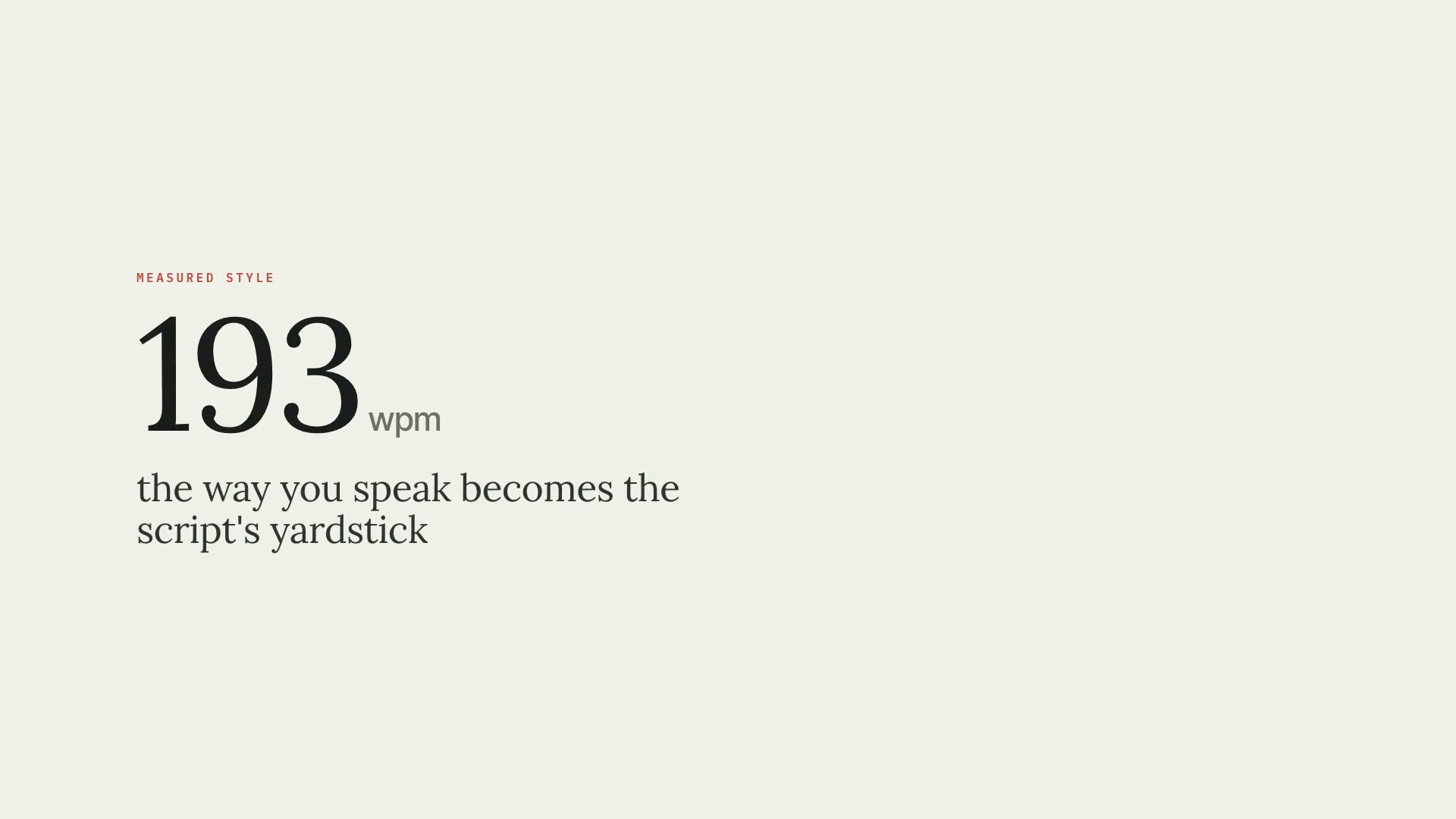
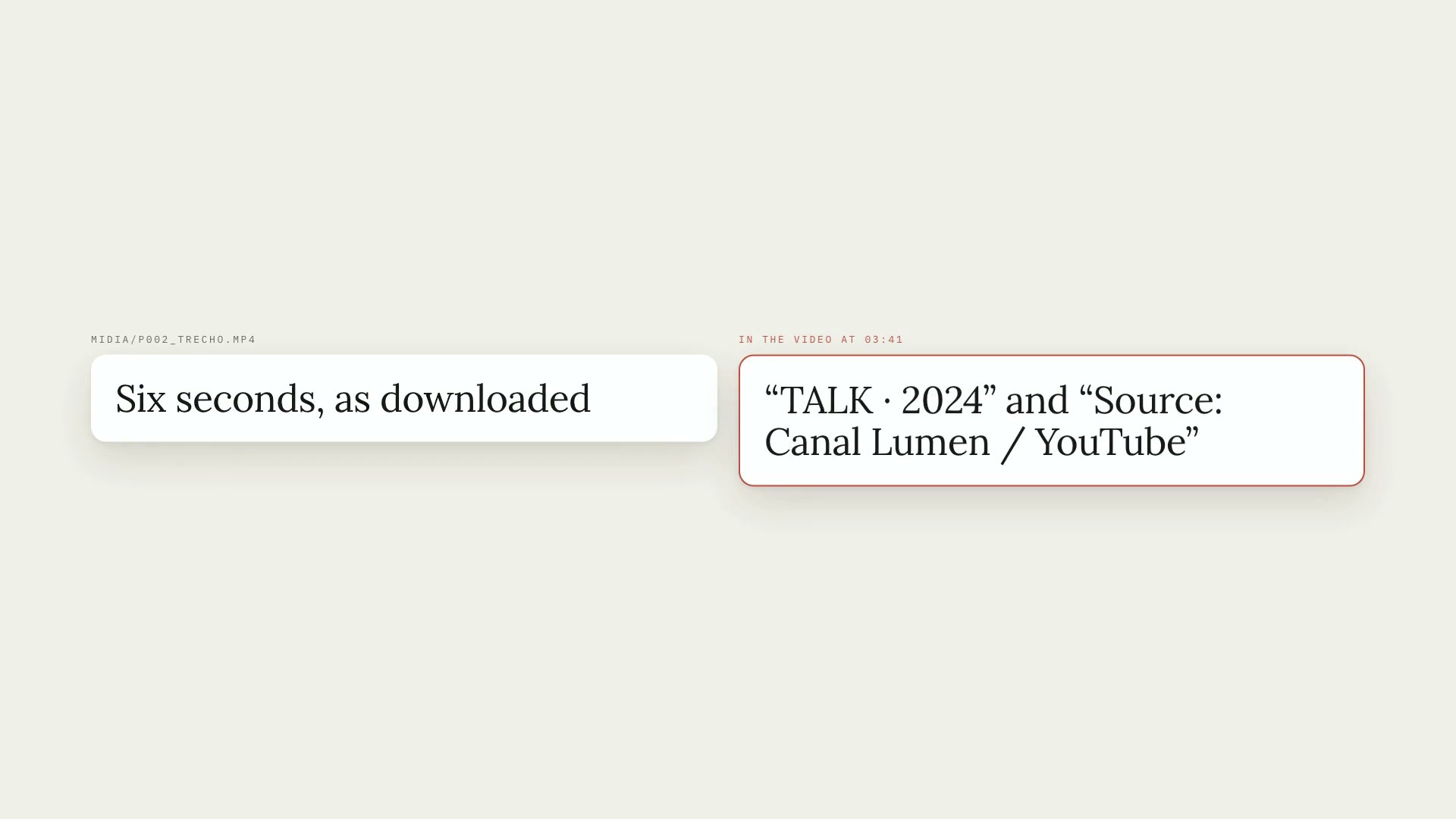
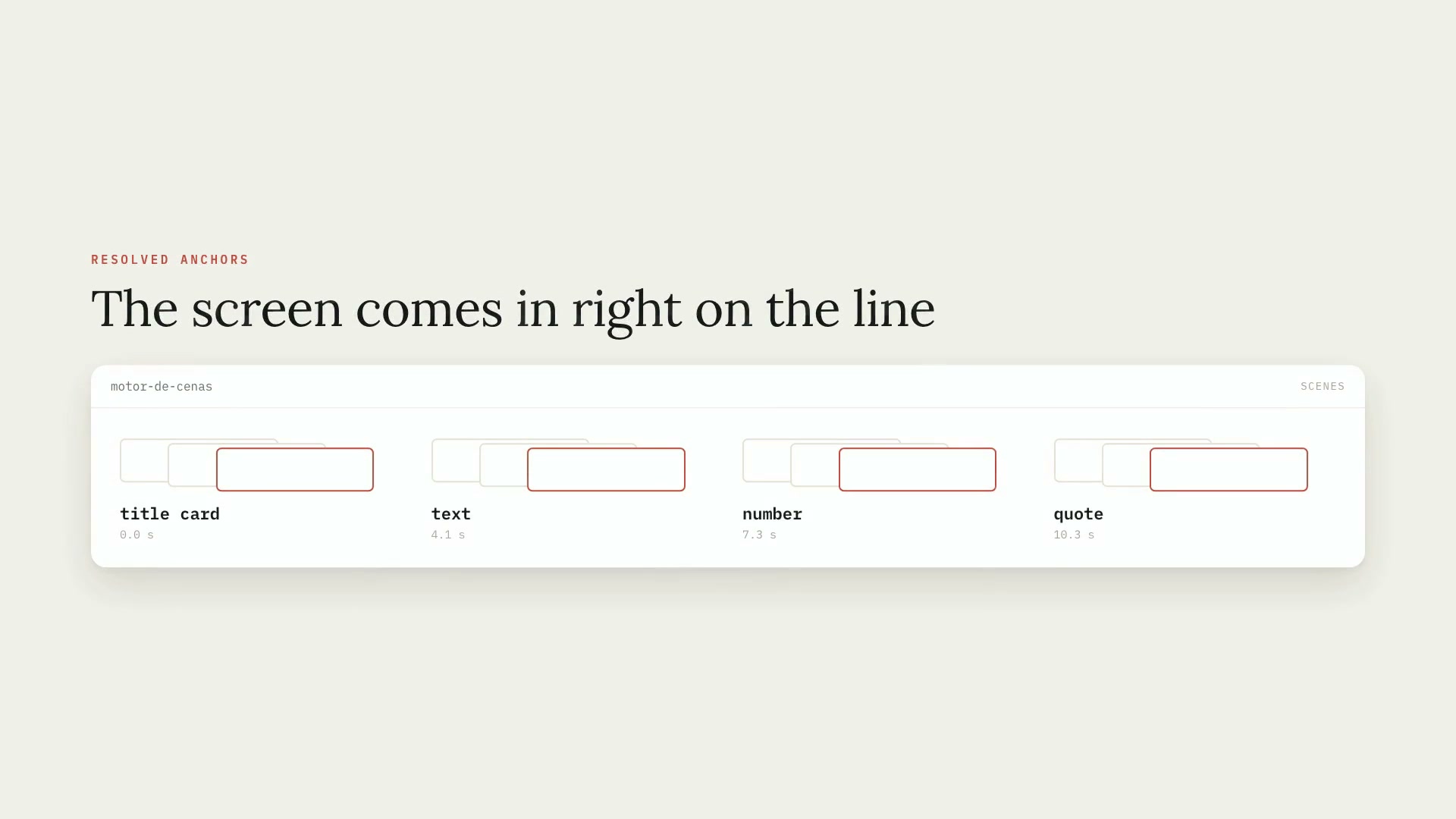
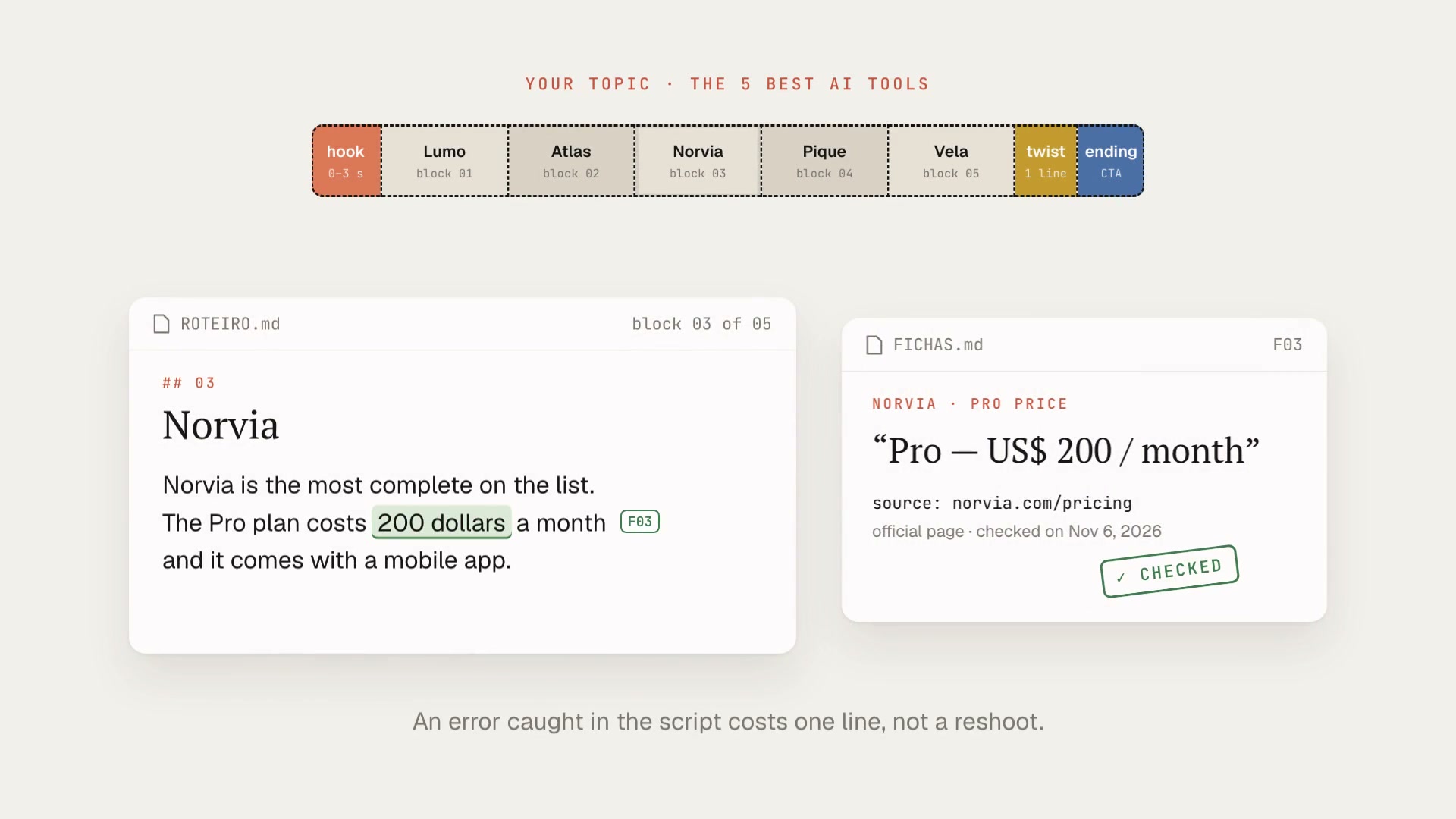
A Claude Code skill that studies YouTube, Shorts, Reels, and TikTok videos, with special attention to animation, and turns their format into content of your own. Modeling, here, means repeating the structure that works with your own subject, research, and voice: from the reference come the pace, the length of the blocks, the technique, and the way it opens and closes; the text, opinions, data, characters, and art do not. There are two parts. In the first, you send 1 to 6 links or files, and the skill downloads, transcribes (with Whisper, when the video has no captions), and measures each one: words per minute, image changes per minute, pauses, hook, ending, and a pacing chart, with frame sheets for Claude to look at. From that comes ESTUDO.md, with the core of the format (what all the references do the same way), the adjustments (what varies), and the spec sheet of the main reference, as measured rules: “fast pace” becomes “197 words per minute, an image change every 2 to 3 seconds.” If you only wanted to understand, you stop there. In the second, it models your video: it separates core and adjustments with you, builds the list of items and the template for each block, splits the duration into words, researches every fact in a primary source, and only then writes. It delivers ROTEIRO.md (or STORYBOARD.md, for animated video, with the timing, image, motion, text, and sound of each scene), FICHAS.md (each fact with source, date, and status), FOLHA_GRAVACAO.md (difficult numbers and names, where to pause, and what to do when you slip up), title suggestions, and the data for editing (the list of items with color and logo, and the official pages for each item). A helper script measures the script against the target duration and against the numbers in the fact sheets. With narration already recorded, the skill becomes a check: it lists each claim, compares it with the source, and says what to re-record. The sample video is an animation of the workflow, with fictional platforms, numbers, and brands (Lumo, Atlas, Norvia, Pique, and Vela). It shows the case that inspired the skill: a price of 200 dollars said as 20, caught in the script by the fact sheet, before recording. Limitations: Instagram and TikTok block some posts without login, and this varies by post; when a link won't open, the skill asks for the video file and doesn't try to get around the block. The speech metrics come from automatic captions or Whisper and are an indication, not proof (Whisper transcribes song lyrics as speech). With only one video there's no core, and the skill says so in the study. Opinions and recommendations come out as drafts for you to confirm. The pipeline mentioned in the skill (narration rough cut and catalog editing) belongs to other skills, which aren't included in this package. Requirements: Python 3.10 or newer (setup.sh creates an environment with yt-dlp, faster-whisper, Pillow, numpy, imageio-ffmpeg, and Playwright; on a Mac with Python 3.9, it downloads an isolated 3.12 through uv) and Node, which yt-dlp uses to download from YouTube. To install, unzip the .zip into ~/.claude/skills/.
- Hooks
- Runs in Claude Code
- Intermediate
A Claude Code skill that studies YouTube, Shorts, Reels, and TikTok videos, with special attention to animation, and turns their format into content of your own. Modeling, here, means repeating the structure that works with your own subject, research, and voice: from the reference come the pace, the length of the blocks, the technique, and the way it opens and closes; the text, opinions, data, characters, and art do not. There are two parts. In the first, you send 1 to 6 links or files, and the skill downloads, transcribes (with Whisper, when the video has no captions), and measures each one: words per minute, image changes per minute, pauses, hook, ending, and a pacing chart, with frame sheets for Claude to look at. From that comes ESTUDO.md, with the core of the format (what all the references do the same way), the adjustments (what varies), and the spec sheet of the main reference, as measured rules: “fast pace” becomes “197 words per minute, an image change every 2 to 3 seconds.” If you only wanted to understand, you stop there. In the second, it models your video: it separates core and adjustments with you, builds the list of items and the template for each block, splits the duration into words, researches every fact in a primary source, and only then writes. It delivers ROTEIRO.md (or STORYBOARD.md, for animated video, with the timing, image, motion, text, and sound of each scene), FICHAS.md (each fact with source, date, and status), FOLHA_GRAVACAO.md (difficult numbers and names, where to pause, and what to do when you slip up), title suggestions, and the data for editing (the list of items with color and logo, and the official pages for each item). A helper script measures the script against the target duration and against the numbers in the fact sheets. With narration already recorded, the skill becomes a check: it lists each claim, compares it with the source, and says what to re-record. The sample video is an animation of the workflow, with fictional platforms, numbers, and brands (Lumo, Atlas, Norvia, Pique, and Vela). It shows the case that inspired the skill: a price of 200 dollars said as 20, caught in the script by the fact sheet, before recording. Limitations: Instagram and TikTok block some posts without login, and this varies by post; when a link won't open, the skill asks for the video file and doesn't try to get around the block. The speech metrics come from automatic captions or Whisper and are an indication, not proof (Whisper transcribes song lyrics as speech). With only one video there's no core, and the skill says so in the study. Opinions and recommendations come out as drafts for you to confirm. The pipeline mentioned in the skill (narration rough cut and catalog editing) belongs to other skills, which aren't included in this package. Requirements: Python 3.10 or newer (setup.sh creates an environment with yt-dlp, faster-whisper, Pillow, numpy, imageio-ffmpeg, and Playwright; on a Mac with Python 3.9, it downloads an isolated 3.12 through uv) and Node, which yt-dlp uses to download from YouTube. To install, unzip the .zip into ~/.claude/skills/.
How to use
01
Copy the prompt
Use the Copy prompt button on this page.
02
Paste it into your AI
Open Claude Code in the project folder and paste the prompt.
03
Install the skill you downloaded
Install the downloaded file in Claude and call the skill in any chat.
In the package
- Prompt ready to copy and paste
- Skill as a .zip to install in Claude
Goes with
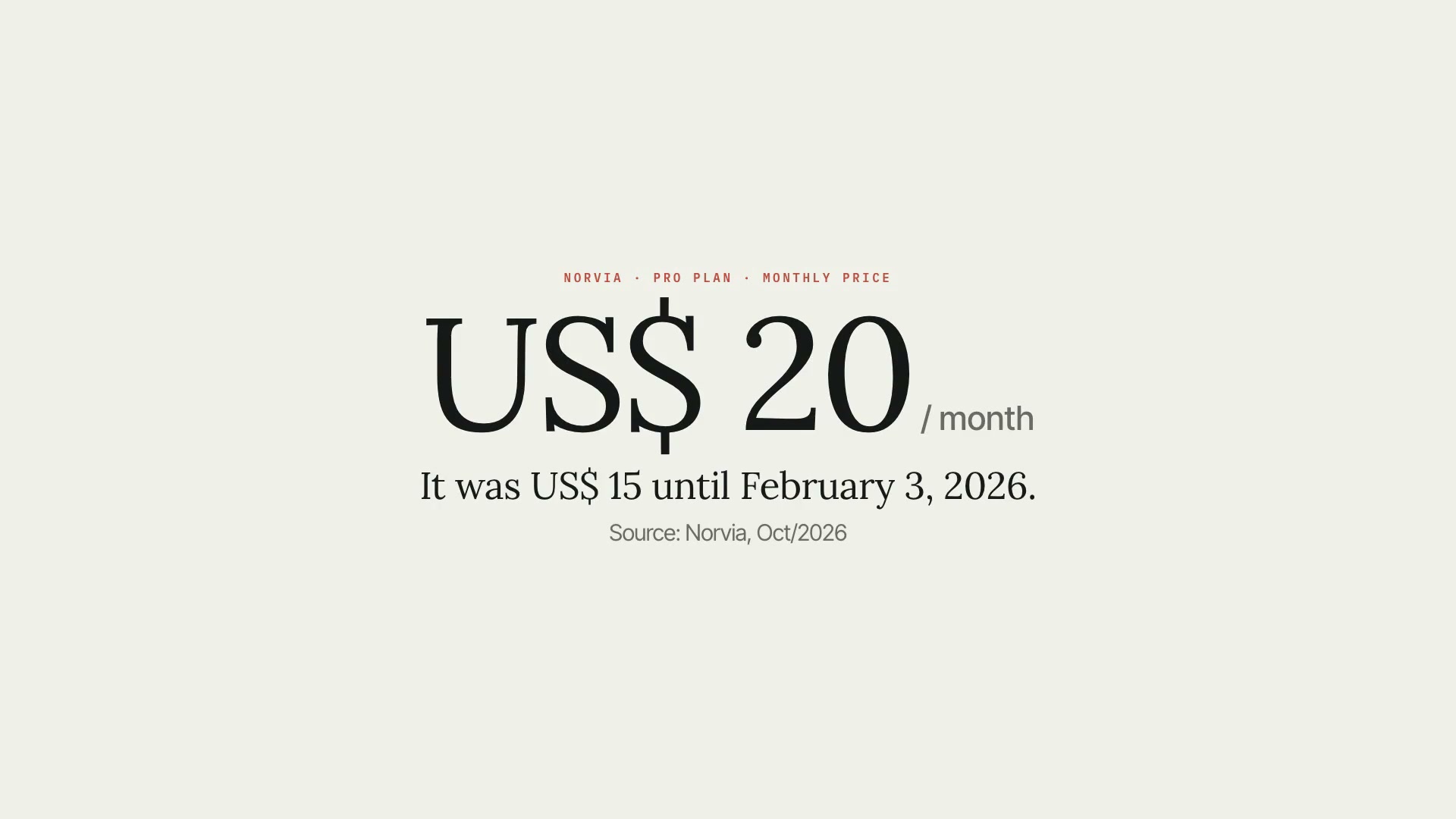 ProAI fact researchA fact sheet for AI videos: every number, price, date, and model name in the script needs a primary source, a verified excerpt, and an expiry date.Fact-checkingSourcesIntermediate
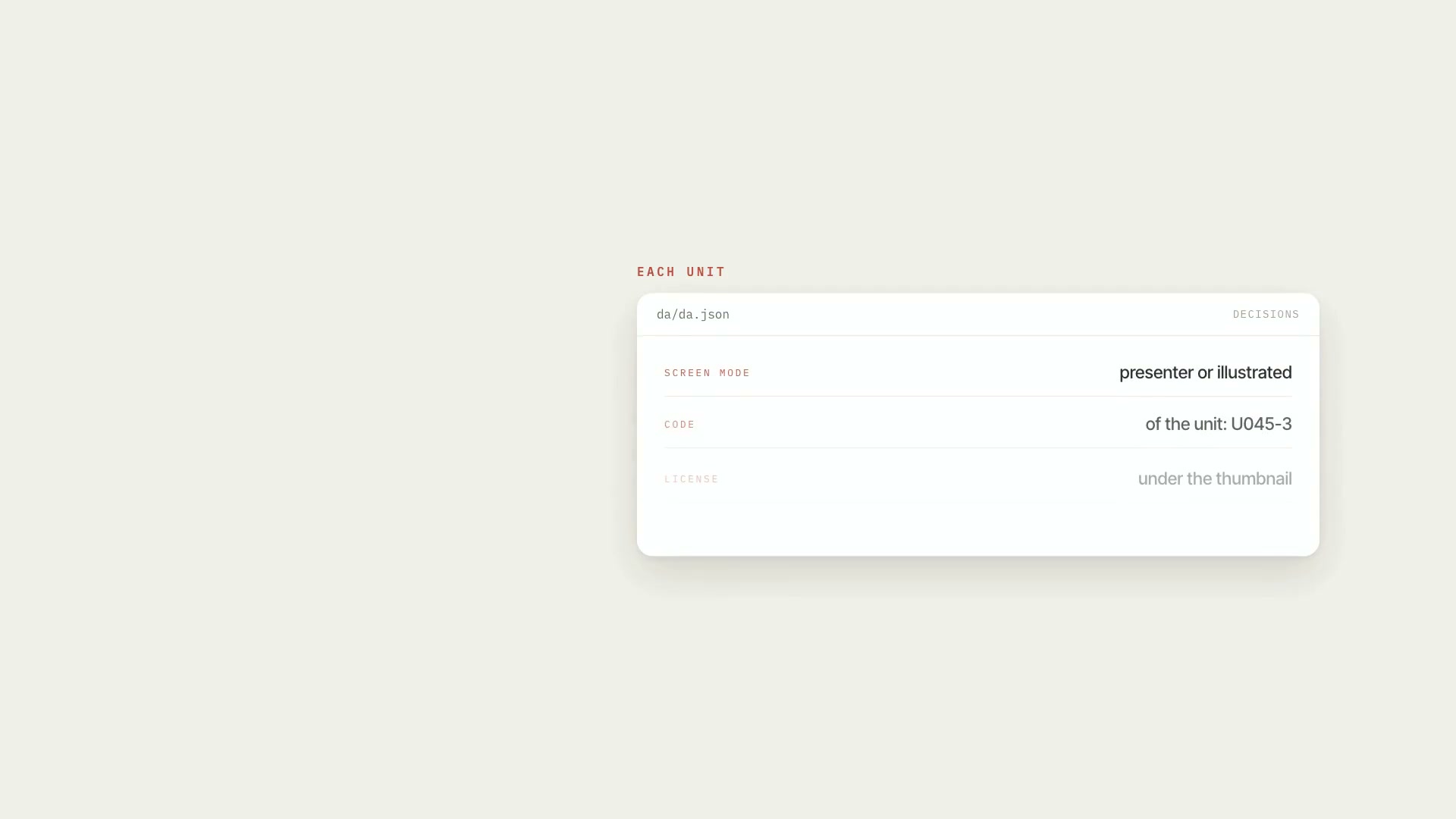 ProReference board: units and contact sheetsBreaks the script into numbered units and builds a contact sheet for each one, with the code above and the license below every thumbnail.ScriptCatalogIntermediate
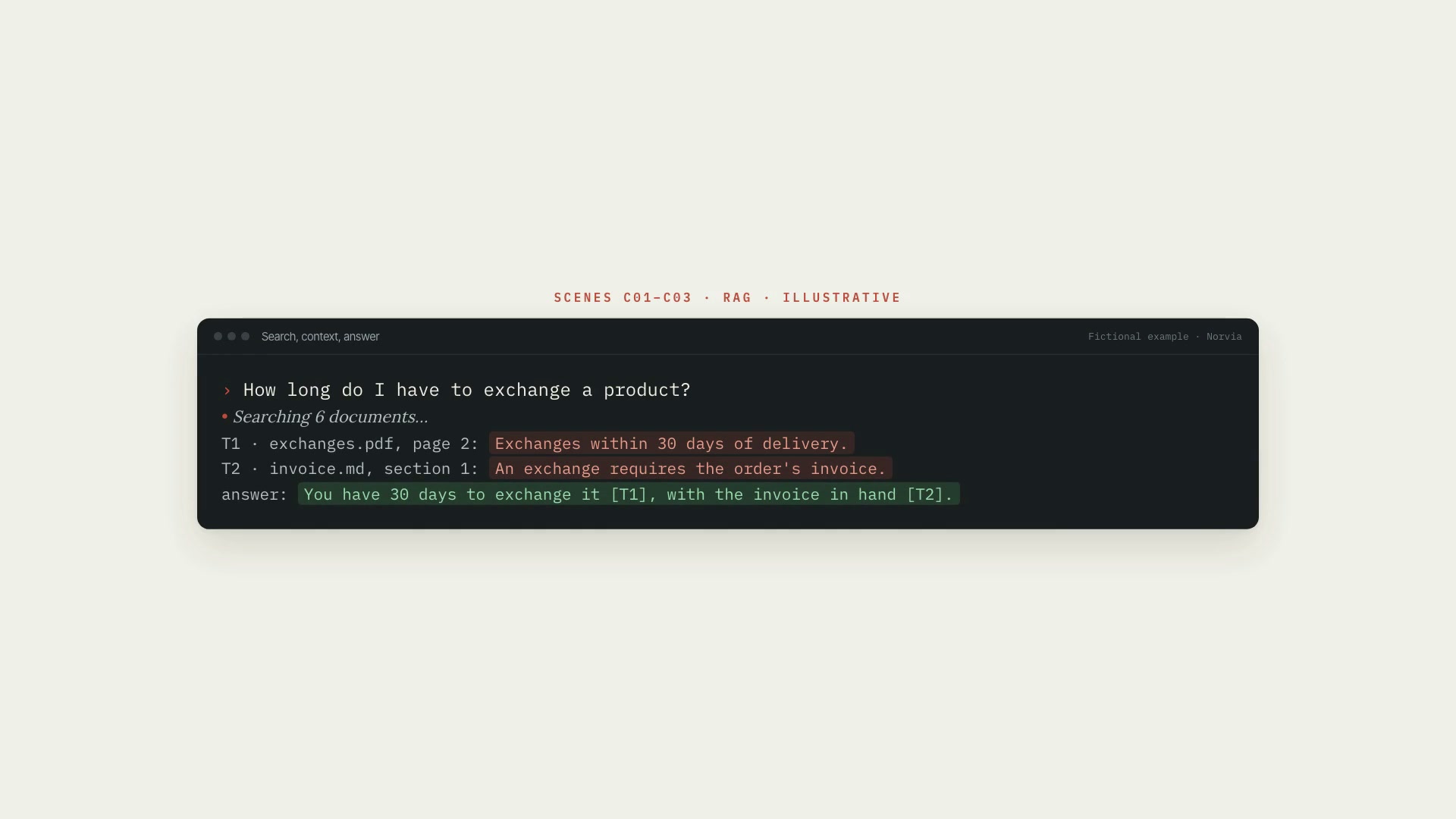 ProExplainer animation19 animated scenes that explain AI, from tokenization to RAG and agents, with a storyboard, a preview to approve, and the project's art direction.ExplainerAnimationIntermediate